James O'Neill spent over twenty years in UK Special Forces and private security
consulting — the kind of career that exists in operational reports and nowhere else.
He didn't set out to write fiction. He set out to solve problems: quietly, without
attribution, in places that don't feature in press briefings. Over two decades, that
work took him across Europe and beyond, into environments where the difference between
an ally and a threat was rarely obvious, and where the ability to read patterns —
not react to events — was the only reliable edge.
That discipline shapes everything he writes. His protagonist, James O'Neill, operates
by a single rule: nothing is real until it happens three times, and you must witness
each one. It isn't a dramatic device. It's the kind of logic that keeps people alive
in environments where the obvious answer is usually planted.
The tradecraft in these novels isn't invented or researched from the outside. It's
the residue of a long career — the field logic, the institutional compromises, the
texture of work done far from cameras and official statements. The names have changed.
The patterns haven't.
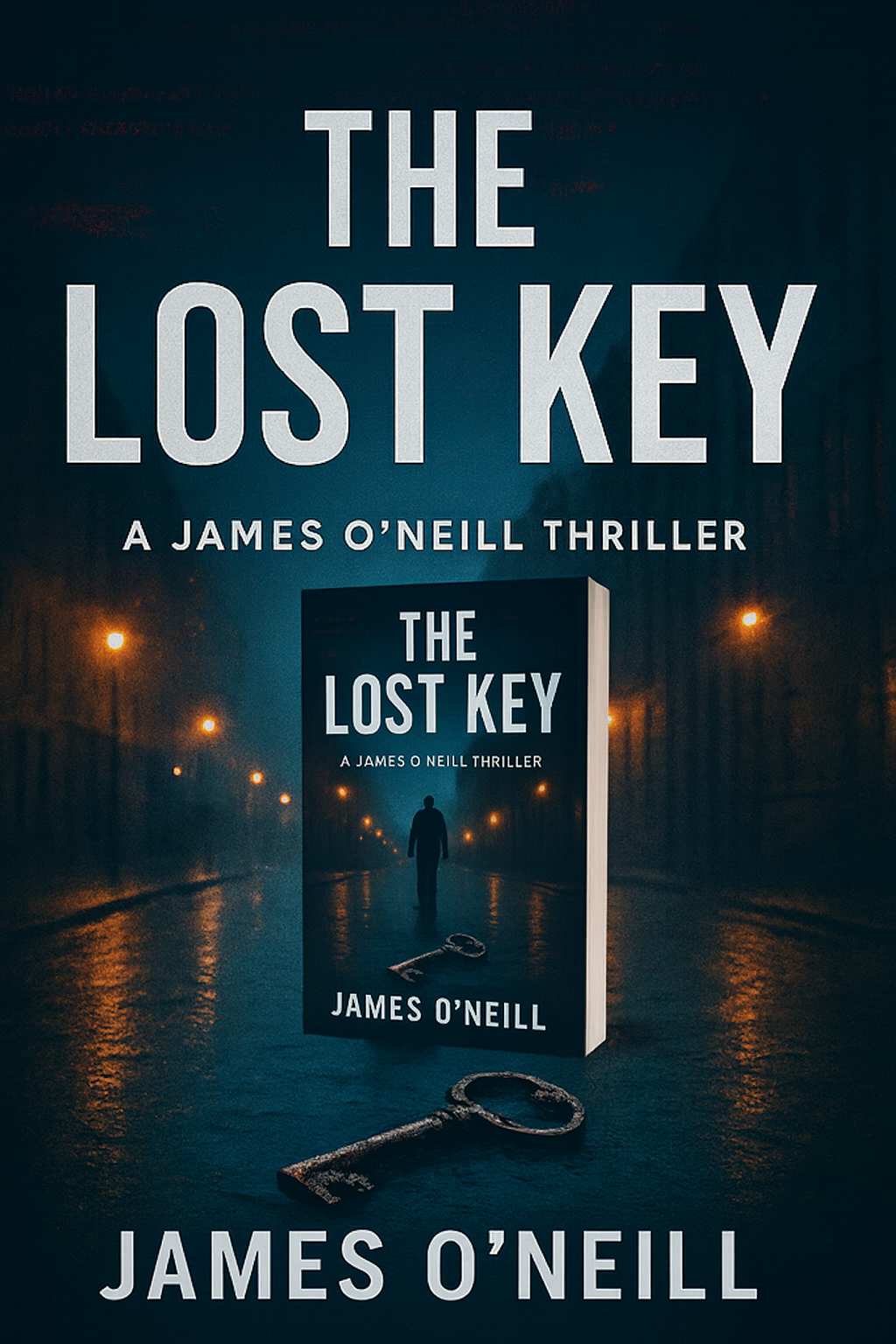
His debut thriller, The Lost Key, is out now. His second novel,
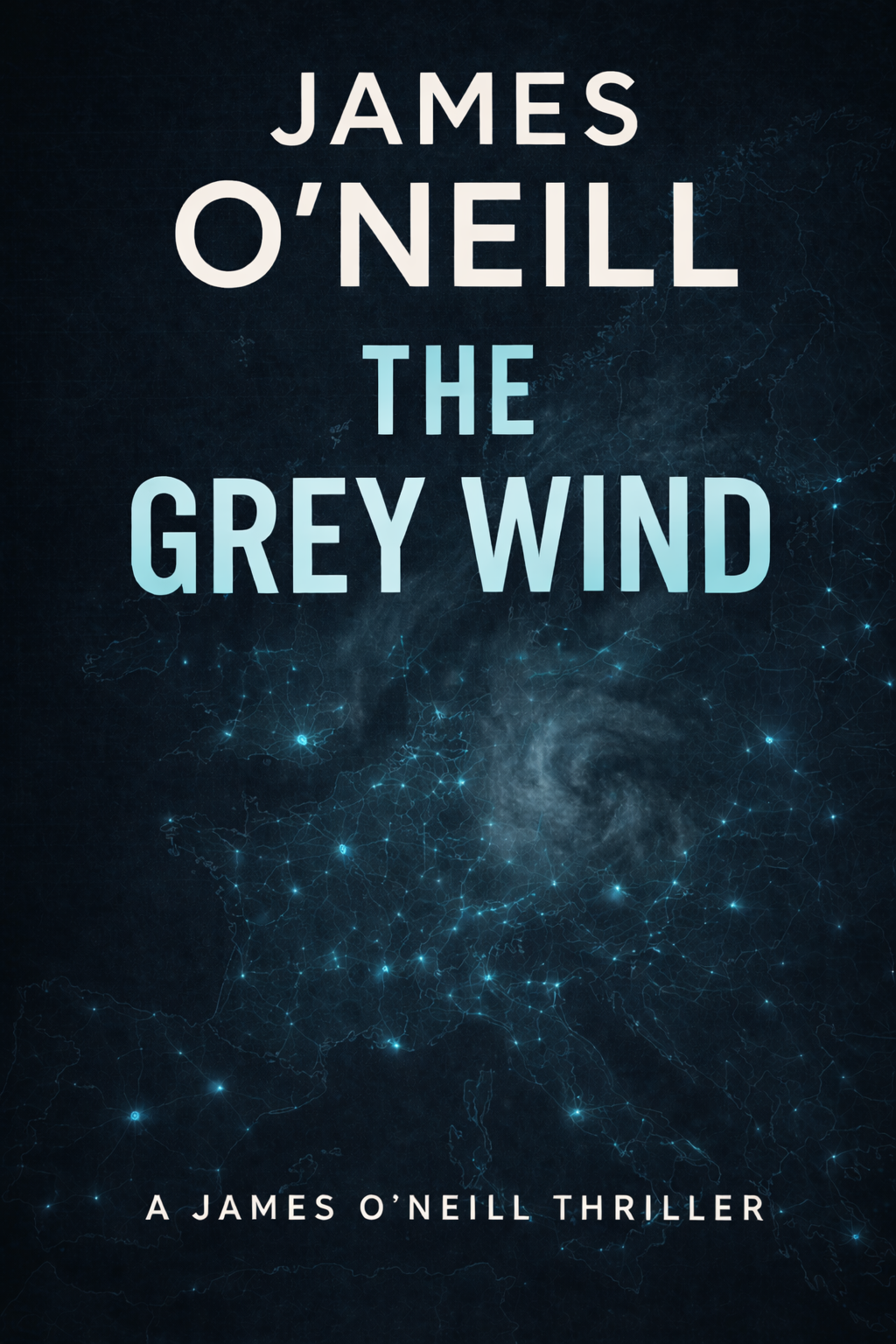
The Grey Wind, is also out. Both are written from the same place his
career was built: close to the detail, and a long way from the noise.